



Gaining your Passivhaus Designer qualification is a great achievement but, being mostly theory based, may not be enough to prepare you for the practicalities and responsibilities of designing to the exacting Passivhaus standard.
Passivhaus Preceptorship bridges the gap between qualification and practice so you become a confident, competent Passivhaus practitioner.

Gaining confidence and competence in Passivhaus design
As a newly qualified practitioner, getting to grips with every aspect of Passivhaus design can be challenging.
Design decisions influence and impact other decisions, and all impact the building’s energy use, the comfort of occupants and its performance against Passivhaus criteria.
It may seem unnerving that the crucial design tool is an Excel spreadsheet! The Passivhaus Planning Package (PHPP) is a design tool and, ultimately, to complete a certified Passivhaus, a PHPP matching the as-built building must be completed and signed off by a Passivhaus Certifier.
Understanding how PHPP works is vital to successfully designing a Passivhaus, but getting started and gaining confidence with it can be challenging for newly qualified Passivhaus Designers or those working on their first projects.

What does preceptorship mean?
It’s a great question! We came across it when developing our ideas, and it perfectly captures what we’re aiming to help you with:
Preceptorship is structured professional support and guidance for newly qualified practitioners to develop confidence and skills.
It involves support from an experienced colleague, a ‘preceptor’, helping bridge the gap between student learning and autonomous professional practice.
We focus on:
Skills Development:
Translating what you’ve learnt in your Passivhaus training into practical skills in a real project setting
Building Confidence and Competence:
Preceptorship’s primary aim is to help build your confidence and competence as a Passivhaus practitioner
Continuous learning and professional development:
Our content lays the foundation for ongoing learning and continuing professional development, and you can raise technical questions and suggest topics for future articles by subscribing and joining our community chats.
How does Passivhaus Preceptorship work?
Passivhaus Preceptorship breaks down each aspect of Passivhaus design and decision-making into five easy-to-navigate areas bridging the gap between qualification and practice, by guiding and mentoring you, step-by-step, through your first Passivhaus projects.
We’re building a growing library of resources that explain how to get started with the practicalities of Passivhaus design.
From standard operating procedures for all parts of PHPP, through vital area markups and confusing M&E systems, to niche inputs where they’ve cropped up on live projects, we will cover everything you need to grow your confidence and successfully model and build your first Passivhaus projects.
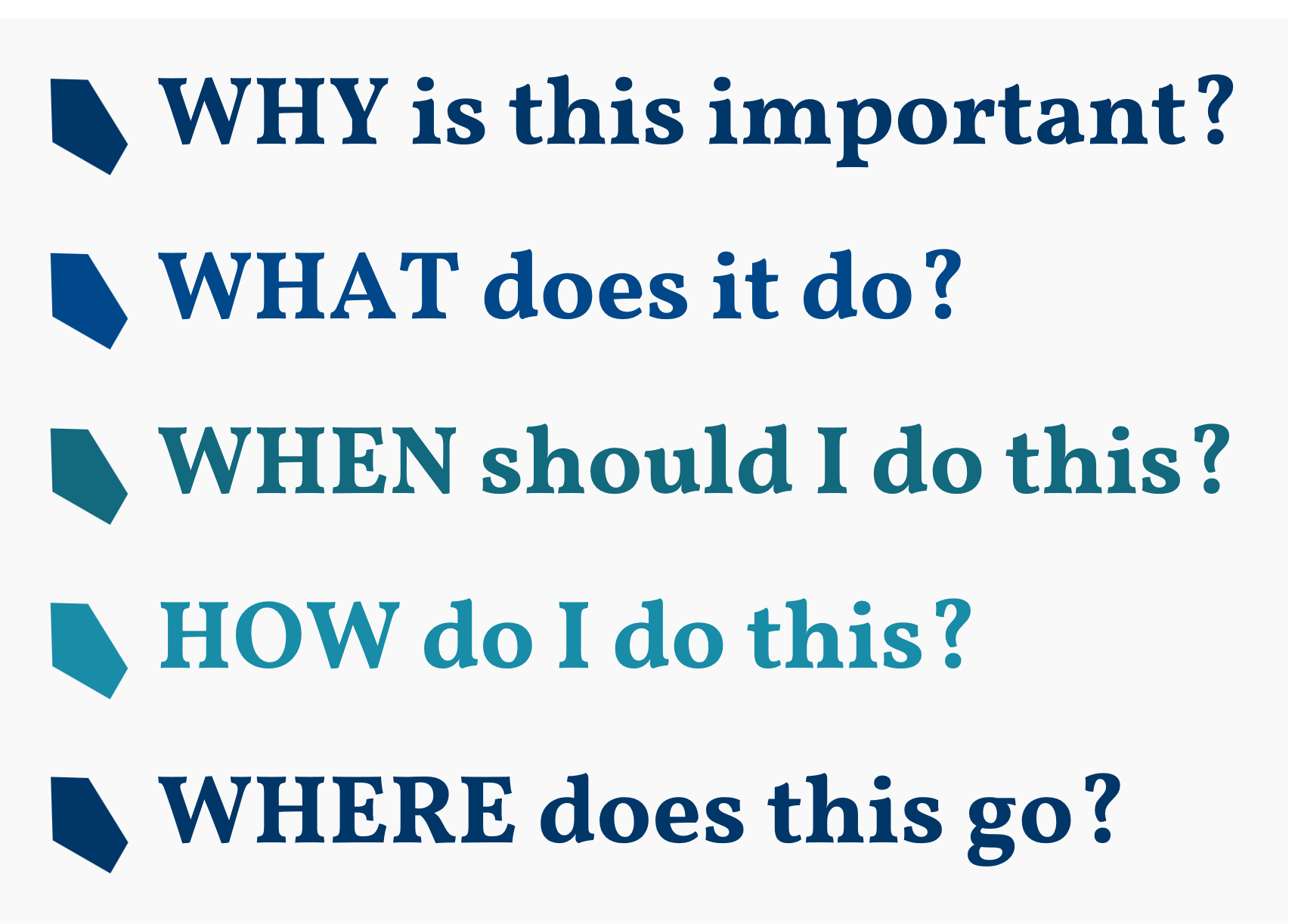
We'll always try to follow our ‘why, what, when, how, where’ format, to keep concise, information-rich articles coming to your inbox.


Keep up to date with all our latest posts by subscribing and have a peruse of all the posts in our archive: